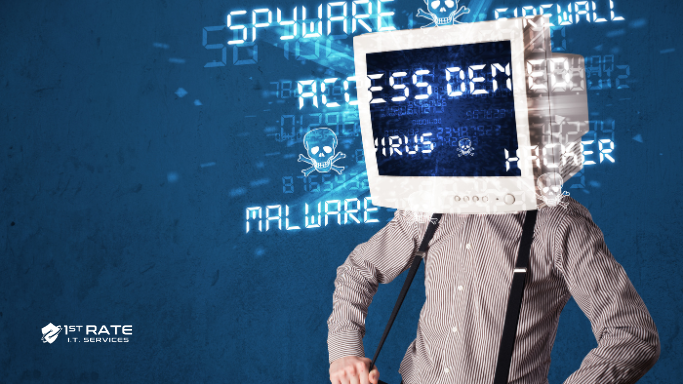
The corporate cybersecurity landscape has completely transformed over the last few months. Traditional security strategies relied on a static approach. IT teams set up a strong firewall, installed basic antivirus software, and ran monthly vulnerability scans. If an application had a patch missing, the team fixed it during the next maintenance cycle. For years, this basic defensive posture kept mid-market businesses relatively safe from digital exploits.
Today, that passive defensive strategy will no longer protect your corporate network. Cybercriminals are now using advanced automation to scan your infrastructure. They deploy autonomous tools that constantly probe your digital perimeter for weaknesses. These automated threats do not sleep, and they modify their attack patterns in real time. To survive, mid-market enterprises must upgrade their defenses using active AI threat detection.
The Dangerous Rise of Automated Attack Infrastructure
How Modern Cyber Threats Bypass Static Defenses
Adversaries no longer sit at keyboards manually typing out attack code. Instead, they leverage autonomous agents to scale their operations. These malicious tools scan cloud environments, third-party software connections, and employee credentials simultaneously.
When an automated script discovers a minor vulnerability, it immediately alerts the main system. The platform then adapts its tactics instantly to exploit that specific gap. Traditional security tools simply cannot keep pace with this level of speed. If your defense relies on human engineers reviewing logs the next morning, you are already too late. A single automated exploit can compromise sensitive financial logs or client files in minutes.
The Foundation of Proactive AI Threat Detection
To secure a modern business network, you must fight automation with automation. At 1st Rate I.T. Services, we help businesses transition from passive prevention to true digital resilience. When we design a security framework, we integrate active AI threat detection directly into your core IT architecture. This proactive approach relies on three essential technical pillars.
1. Continuous Network Telemetry Monitoring
An effective security platform never assumes your environment is safe just because a user logs in successfully. True protection requires continuous authentication and real-time data analysis. Our systems ingest massive volumes of network telemetry every second.
Advanced machine learning algorithms establish a baseline of normal employee behavior. The system learns how your staff interacts with data, what times they log in, and which servers they access. If an endpoint suddenly behaves erratically—such as downloading hundreds of customer profiles at 3:00 AM—the AI flags it instantly. The system catches the anomaly before it escalates into a massive data breach.
2. Autonomous Incident Isolation and Remediation
Speed is the ultimate deciding factor during a modern cyberattack. Traditional security tools create massive alert fatigue for in-house staff. Employees get overwhelmed by thousands of minor notifications, causing them to miss actual critical warnings.
Our integrated Security Operations Center (SOC) solves this problem using autonomous response protocols. When the AI threat detection engine confirms a high-risk threat pattern, it takes immediate action. The platform can isolate an infected laptop from the local network, revoke compromised user credentials, and block malicious IP addresses automatically. This rapid containment stops a ransomware script from spreading across your entire server room while our live engineering team investigates.
3. Implementing an Identity-First Zero Trust Architecture
As businesses migrate more workloads to cloud-native platforms, the traditional office network perimeter disappears. Employees access sensitive tools from laptops, mobile devices, and home internet connections. Because the boundary is blurred, identity becomes your new firewall.
We design comprehensive Zero Trust frameworks that verify every single access request. The system evaluates device health, user location, and access permissions in real time before granting entry to corporate files. This structure ensures that even if a cybercriminal steals an employee’s password, they cannot navigate through your database freely. Learn more about configuring these secure systems on our Network Design infrastructure page.
The Strategic Takeaway
Cybersecurity is no longer just an isolated item on your IT budget. It is a fundamental component of your corporate governance and operational risk management. Allowing unmanaged, legacy security tools to guard your data leaves your enterprise incredibly vulnerable to automated exploitation.
Is your corporate network truly prepared to withstand an automated attack? Don’t wait for a critical systems outage or a costly ransomware demand to audit your defenses. Call the 1st Rate team today at +1 (855) 783-TECH to schedule a professional Security Infrastructure and AI Readiness Assessment.